In the silence of our cellars, time is not measured in days, but in nuances. Our long-aged Corpinnats stand as a testament to patient waiting, with ageing periods ranging from the minimum 30 months required to more than 25 years in the case of our most exceptional library releases. A tribute to time, where every bubble becomes seamlessly integrated and every aroma gains depth, giving rise to Corpinnats of a complexity and elegance that only maturity can bestow.
Long ageing Corpinnats
In the silence of our cellars, time is not measured in days, but in nuances. Our long-aged Corpinnats stand as a testament to patient waiting, with ageing periods ranging from the minimum 30 months required to more than 25 years in the case of our most exceptional library releases. A tribute to time, where every bubble becomes seamlessly integrated and every aroma gains depth, giving rise to Corpinnats of a complexity and elegance that only maturity can bestow.
-
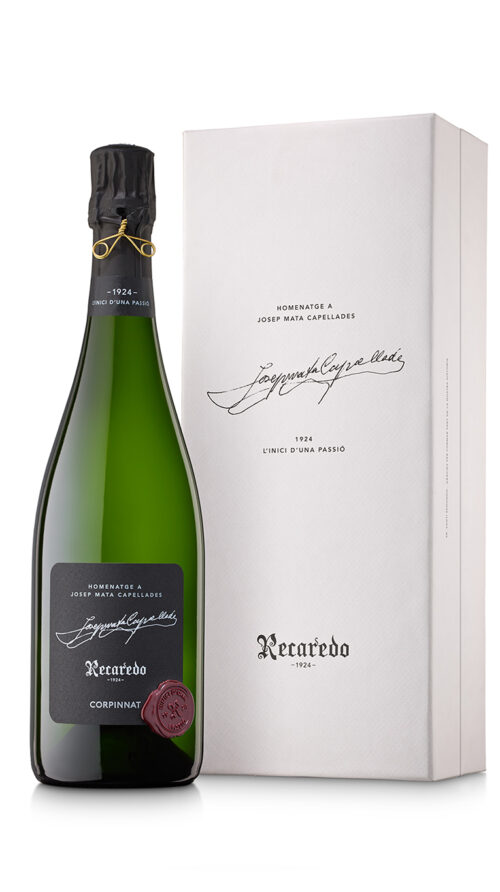
Homenatge a Josep Mata Capellades 2004
275,00€ This product has multiple variants. The options may be chosen on the product page -
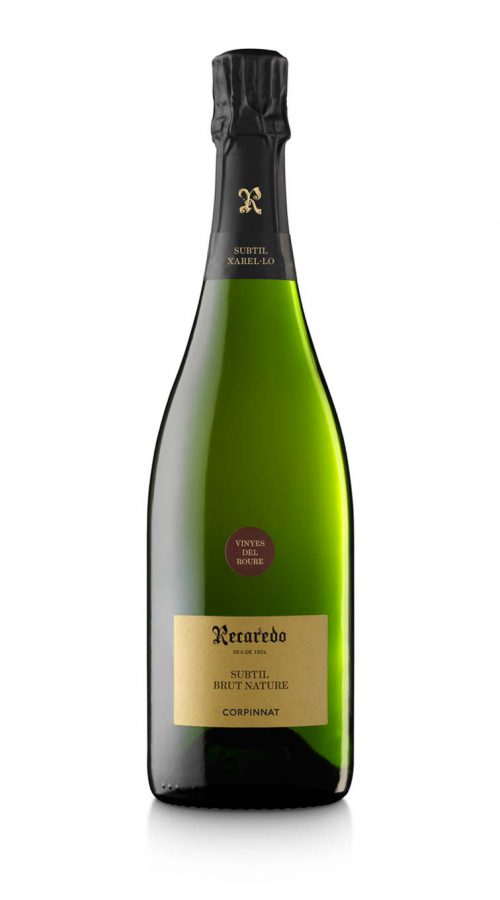
RECAREDO SUBTIL 2019
42,00€ This product has multiple variants. The options may be chosen on the product page -
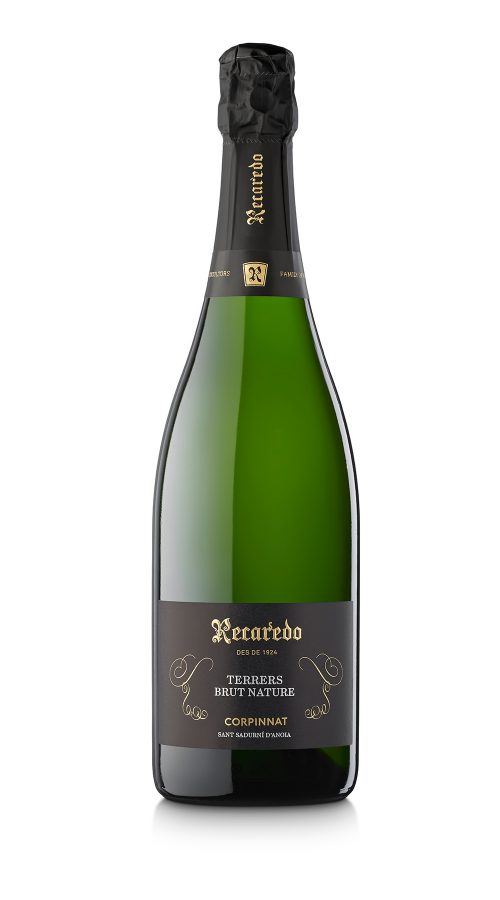
RECAREDO TERRERS 2021
29,00€ This product has multiple variants. The options may be chosen on the product page -
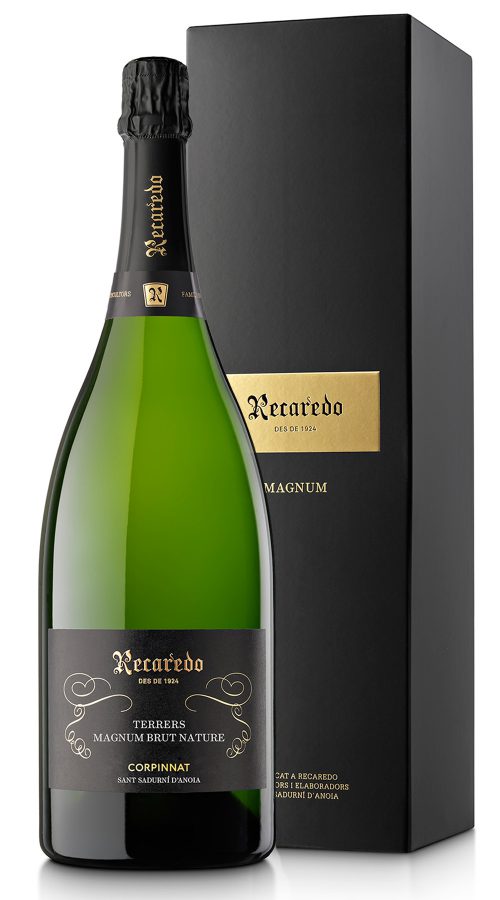
RECAREDO TERRERS MAGNUM 2019
77,00€ This product has multiple variants. The options may be chosen on the product page -
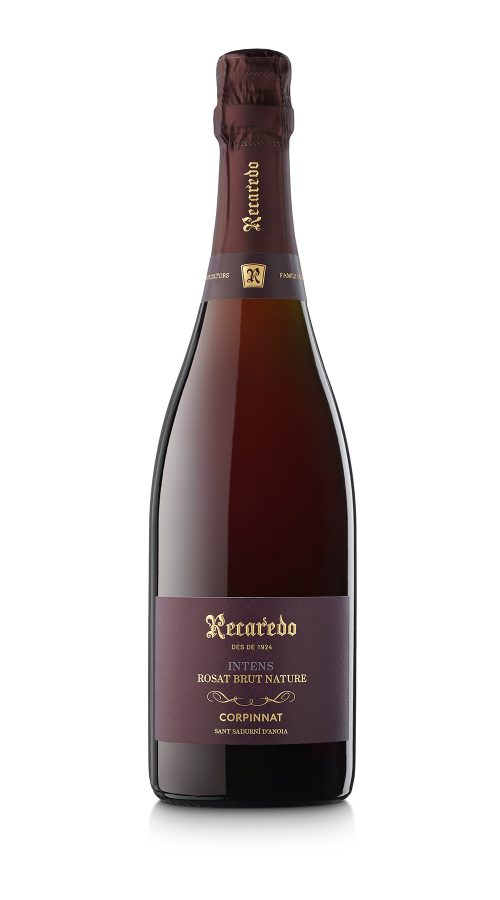
RECAREDO INTENS ROSAT 2022
39,00€ This product has multiple variants. The options may be chosen on the product page -
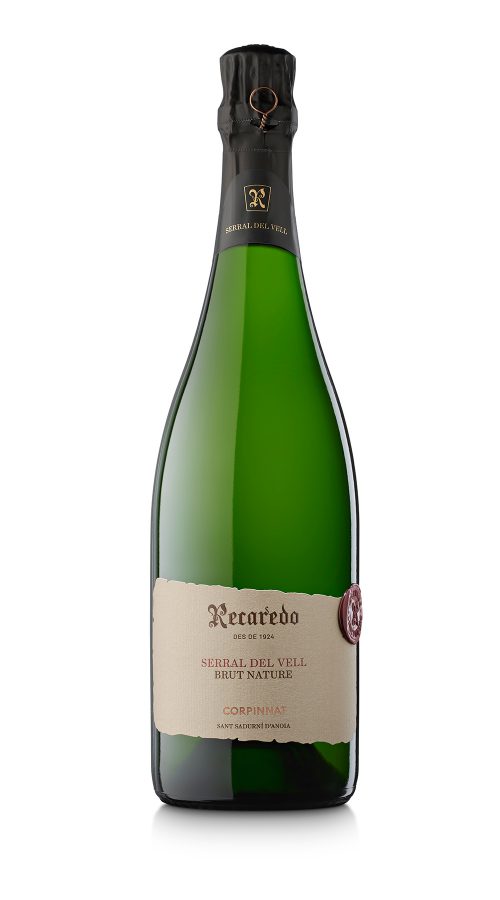
RECAREDO SERRAL DEL VELL 2018
43,00€ This product has multiple variants. The options may be chosen on the product page -
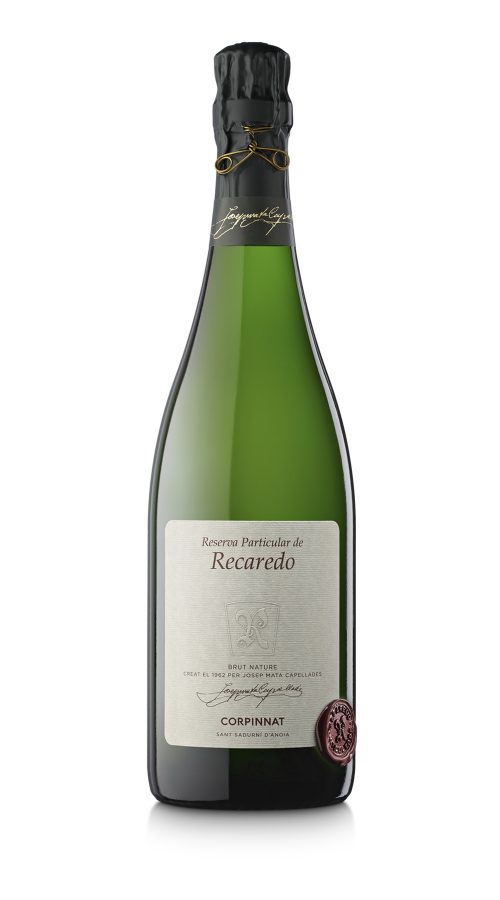
Reserva Particular 2017 de Recaredo
94,00€ This product has multiple variants. The options may be chosen on the product page -
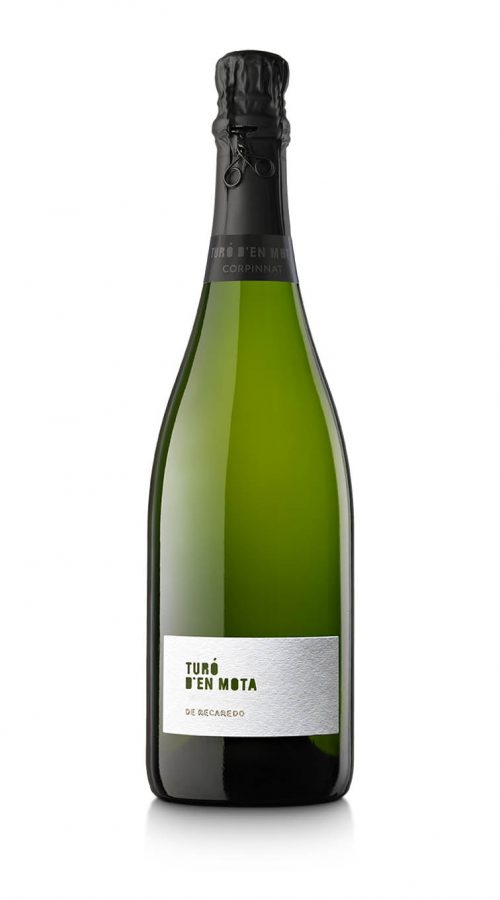
Turó d’en Mota 2012
178,00€ This product has multiple variants. The options may be chosen on the product page
The Secrets of Time in Recaredo’s Corpinnats
At Recaredo, we craft Corpinnats profoundly defined by the hallmark of extended ageing. The creation of a long-aged sparkling wine on our estate is, above all, an exercise in absolute respect for the rhythms of nature and the identity of each vintage. We believe that excellence cannot be rushed; for this reason, we allow our bottles to rest in silence for many years, in contact with their lees, developing complexity, depth and precision. Only in this way, through extended ageing and mindful patience, can a harmony emerge that time slowly sculpts, shaping the unique character of our wines under the Corpinnat designation.
The Evolution of Aroma: From Fresh Fruit to Toasted Notes and Brioche
As the years pass on the lees, the sensory profile of our Corpinnats undergoes a fascinating transformation. The vibrant character of white fruit and citrus notes from their youth evolves into a far more sophisticated palette of tertiary aromas. Notes of freshly baked brioche, toasted nuts, cream and subtle mineral nuances emerge, creating a deep and captivating aromatic experience.
The Excellence of Disgorgement: Artisanal Mastery
With the skill that only experience can provide, the master disgorger manually removes the lees without freezing the neck of the bottle, working at the natural temperature of our cellars. Without exception, every bottle of Recaredo is disgorged by hand in a ritual marked by measured effervescence.
Disgorgement is the final step before the bottle receives its definitive natural cork closure. Today, Recaredo’s team continues to preserve this craft, embodying both artisanal expertise and a profound respect for the environment.
Frequently Asked Questions About Recaredo’s Long-Aged Sparkling Wines
Why Does Recaredo Use Cork Stoppers During Ageing on the Lees?
At Recaredo, natural cork is the perfect ally for ageing. We use cork stoppers exclusively during the ageing process of all our Corpinnats, a practice that reflects our commitment to the highest standards of quality and sustainability, while also preserving a traditional craft.
Cork is essential for long ageing periods, as it protects the wine from oxidation and allows for a slower, more gradual evolution. Furthermore, it comes from a regenerative industry with lower energy consumption, reduced waste and the ability to absorb CO₂. We use cork for both the temporary closure during ageing and the final cork stopper, achieving a double absorption of carbon dioxide per bottle and reinforcing our commitment to the circular economy and environmental stewardship.
Recaredo was the first sparkling wine producer in the world to receive the Aged with Cork certification, awarded by the European Cork Confederation.
Does a Sparkling Wine Lose Its Bubbles After 10 Years of Ageing?
Contrary to what one might expect, carbon dioxide is not lost; rather, it is transformed. After a decade of ageing, the bubbles become fully integrated into the body of the wine, creating a creamy, velvety texture on the palate. The pressure remains persistent, but it is expressed in a far more refined and elegant manner.
What Is the Cellaring Potential Once the Bottle Has Been Purchased?
Recaredo’s Corpinnats leave our cellars only after reaching their optimal drinking window, once the entire ageing process in our family cellars has been completed. Nevertheless, thanks to their solid structure, perfectly integrated natural acidity and overall balance, they retain remarkable ageing potential in bottle. When stored under suitable conditions — in a cool, dry, dark place with a stable temperature — these wines can continue to evolve positively for many years, gaining further complexity and nuance over time.
How Does Yeast Autolysis Influence the Flavour of the Wine?
Its influence depends on the length of contact between the wine and the lees. During the first years of ageing, fruit-driven notes predominate, while the lees are perceived mainly on the palate, contributing greater richness and volume. As ageing extends, the character of the yeasts becomes naturally integrated into the wine’s personality, giving rise to aromas of pastry, candied fruit and, at times, hints of spice or toasted nuts. On the palate, the bubbles appear finely integrated, with a mousse-like texture balanced by the creamy structure and depth imparted by the lees over time.